Solar panel disposal in Brazil: how and where to do it right
A step-by-step guide to removing modules from the field with a proven destination, from surveying the batch to filing the documents.

Solar panels cannot go in regular trash or be sold as scrap. The right path is to hand the modules to a recycler with an environmental license that issues the waste transport manifest (MTR) at collection and the certificate of final disposal (CDF) after recycling. These two documents prove, in an inspection or an ESG audit, that the material reached the right destination.
Below are the steps, what the law says and the mistakes we see most often at solar plants, EPCs and O&M companies.
Why solar panels cannot go in the trash
A photovoltaic module looks like a sheet of glass, but it is a sandwich of bonded materials: glass, an aluminum frame, silicon cells with silver (in Portuguese), copper and tin wires, plastics and the junction box. A typical utility-scale module weighs around 30 kg, and almost all of it can go back to industry if it is separated.
Three things make disposal different from ordinary waste:
It keeps generating electricity
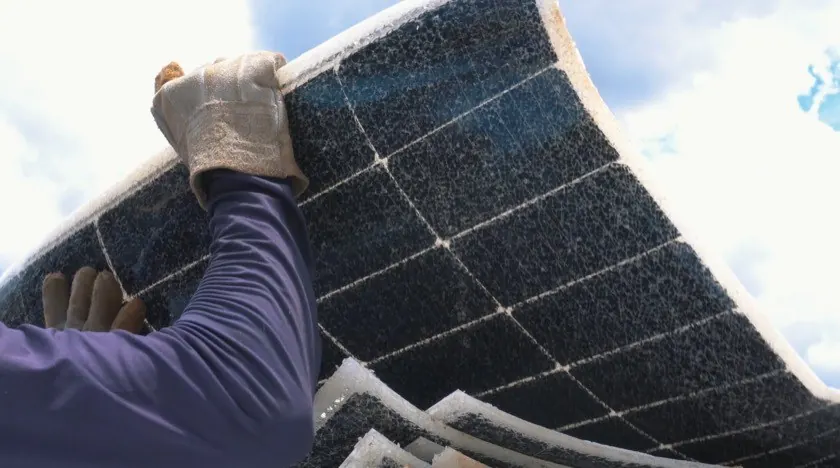
All it takes is light. Even with shattered glass, a broken panel (in Portuguese) generates electricity, and a batch of damaged modules in the yard still has voltage at the connectors.
Broken glass cuts and spreads
The shards stay stuck to the laminate and come loose during handling, and the module has no packaging of its own. Transport requires palletizing and care.
Defects do not always show
A module with microcracks can look fine from the outside. If it leaves without traceability, it can return to the market resold as new, with the original generator's name attached to it.

What Brazilian law says about solar panel disposal
The PNRS, Brazil's National Solid Waste Policy (Law 12.305/2010) (in Portuguese), says that whoever generates the waste is responsible for where it ends up. For a solar plant, an EPC or an O&M company, this means modules removed from the field remain the responsibility of whoever generated them until their final destination is proven.
Photovoltaic panels are also listed in Annex I of Decree 10.240/2020 (in Portuguese), which organizes reverse logistics (Brazil's take-back system) for electrical and electronic equipment. In January 2026, Ordinance MMA 1.560/2026 kept that system's targets in force while the rule is revised. This system was designed for household products. For modules from utility-scale plants and commercial systems, the specific rule is still being written (in Portuguese), and what applies is the generator's responsibility under the PNRS.
In practice, there is no legal vacuum. Anyone who removes modules from a plant needs to be able to show where they went.
Solar panel disposal, step by step
Survey what you have
Count the modules, note the brand, model and power rating, and sort them by condition: broken, with electrical defects and apparently good. Photograph the batches. This information defines the logistics and the quote.
Store them safely until collection
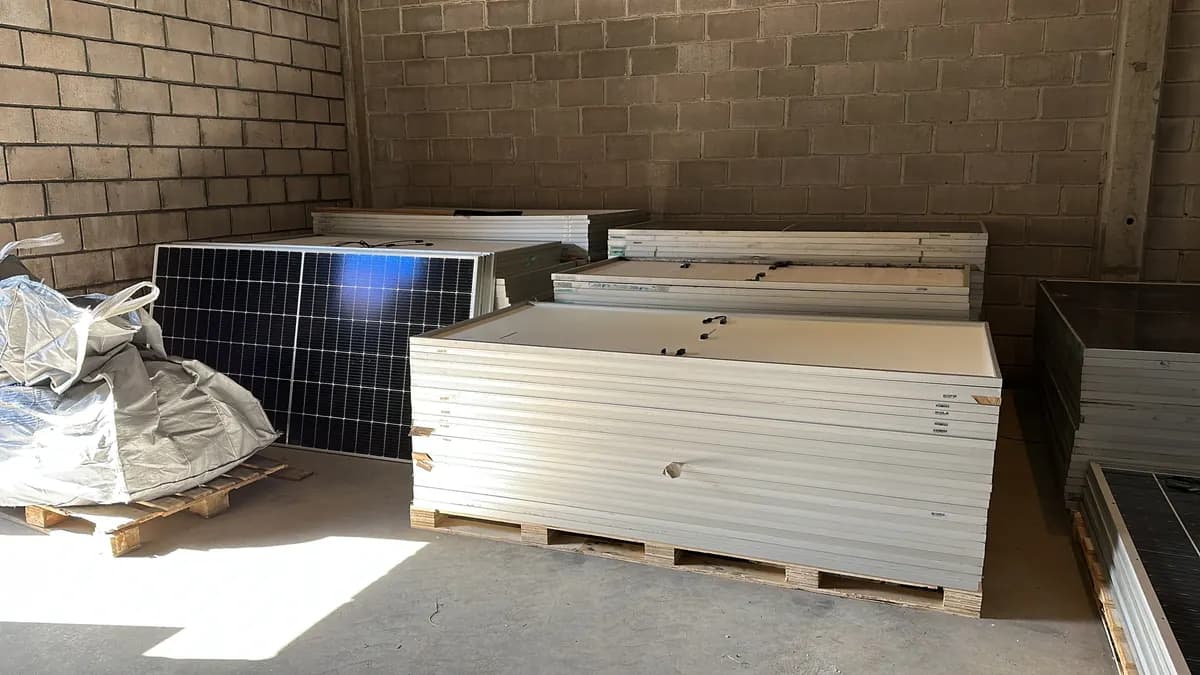
Keep the modules glass side down or covered, to reduce power generation. Protect the connectors, stack them on pallets and keep broken modules apart from intact ones. Avoid leaving the batch exposed to rain for months: the material degrades and the yard becomes a liability.
Choose a licensed recycler
Before signing, ask for: a valid environmental license to receive and treat the waste; an MTR issued in the official system (SINIR, Brazil's national waste information system, or your state's system); a CDF at the end of the process; a destination report (in Portuguese) with batch traceability (quantity, weight, dates and destination of the materials); a video of the process, if you need to show the recycling to an auditor or a lender. If the company cannot deliver these documents, the problem is still yours, even if the truck has already left.
Arrange transport
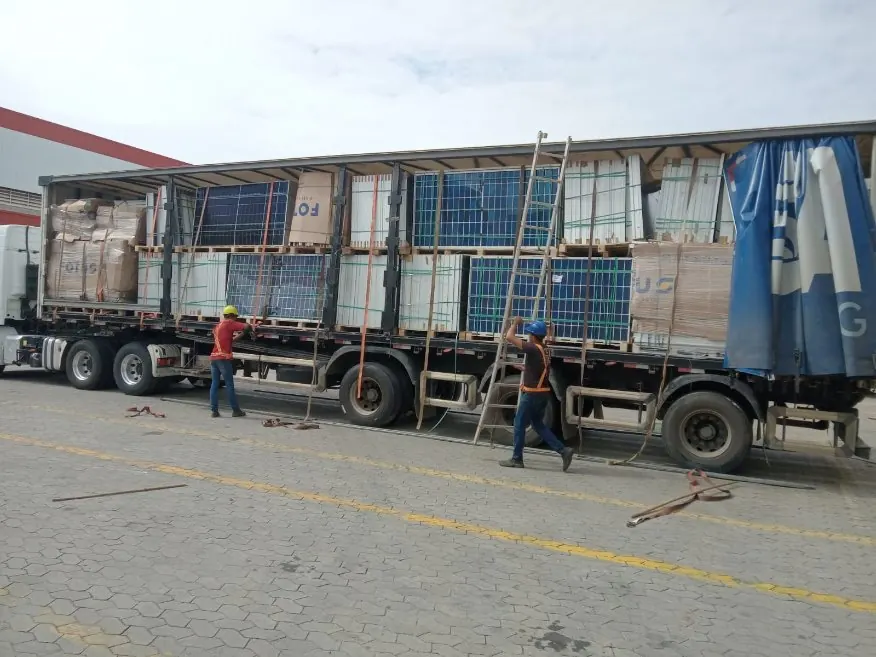
Waste must travel with an MTR. The freight can be hired by you or by the recycler; what changes is who bears the cost and the risk along the way. Well-palletized modules take up fewer trucks and lower the cost per tonne.
Keep the documents
The MTR, the CDF and the report go into the company's environmental records. They are what answers an inspection, a lender's audit or a sustainability report.
Where to dispose of solar panels in Brazil
It depends on who you are:
- Companies, solar plants, EPCs and O&M: hire a photovoltaic module recycler that handles collection, recycling and issuing the CDF.
- Homes and small volumes: SunR also serves them, with no minimum volume. There are drop-off points in Porto Alegre, Araranguá, Florianópolis, Cascavel, São Carlos, São Paulo and Brasília. You drop the modules off at the nearest point, or they are collected at your address (check with us).
Installers, distributors and manufacturers also have obligations under the reverse logistics system for electrical and electronic equipment and can point you in the right direction.
Common mistakes in module disposal
- Selling as scrap. The buyer keeps the aluminum and dumps the rest without control, and the generator is left with no documents.
- Sending to landfill. It wastes material that could go back to industry and does not answer ESG requirements.
- Accepting free collection without paperwork. Without an MTR and a CDF, there is no way to prove the destination.
- Reselling damaged modules without a test report. The risk of the material reappearing on the gray market stays with the seller.
- Waiting for the batch to grow. Modules sitting in the yard take up space, degrade and remain a liability on the environmental balance sheet (in Portuguese).
How much solar panel disposal costs
The price depends on the volume, the distance to the recycling unit, the condition of the modules and who hires the freight. That is why each quote is prepared case by case, based on the survey in step 1.
How SunR handles solar panel disposal
SunR is the first photovoltaic panel recycler in Latin America, operating since 2020. The process has four stages:
Tracked collection
The modules leave the site palletized, with an MTR.
Sorting
Module by module, by technology, weight and condition.
100% mechanical recycling
No chemicals, with SunR's own technology. The process recovers glass, aluminum, copper, silicon, silver and tin.
Back into the supply chain
The materials go back to industry, and the client receives the CDF, a destination report and a video of the process.
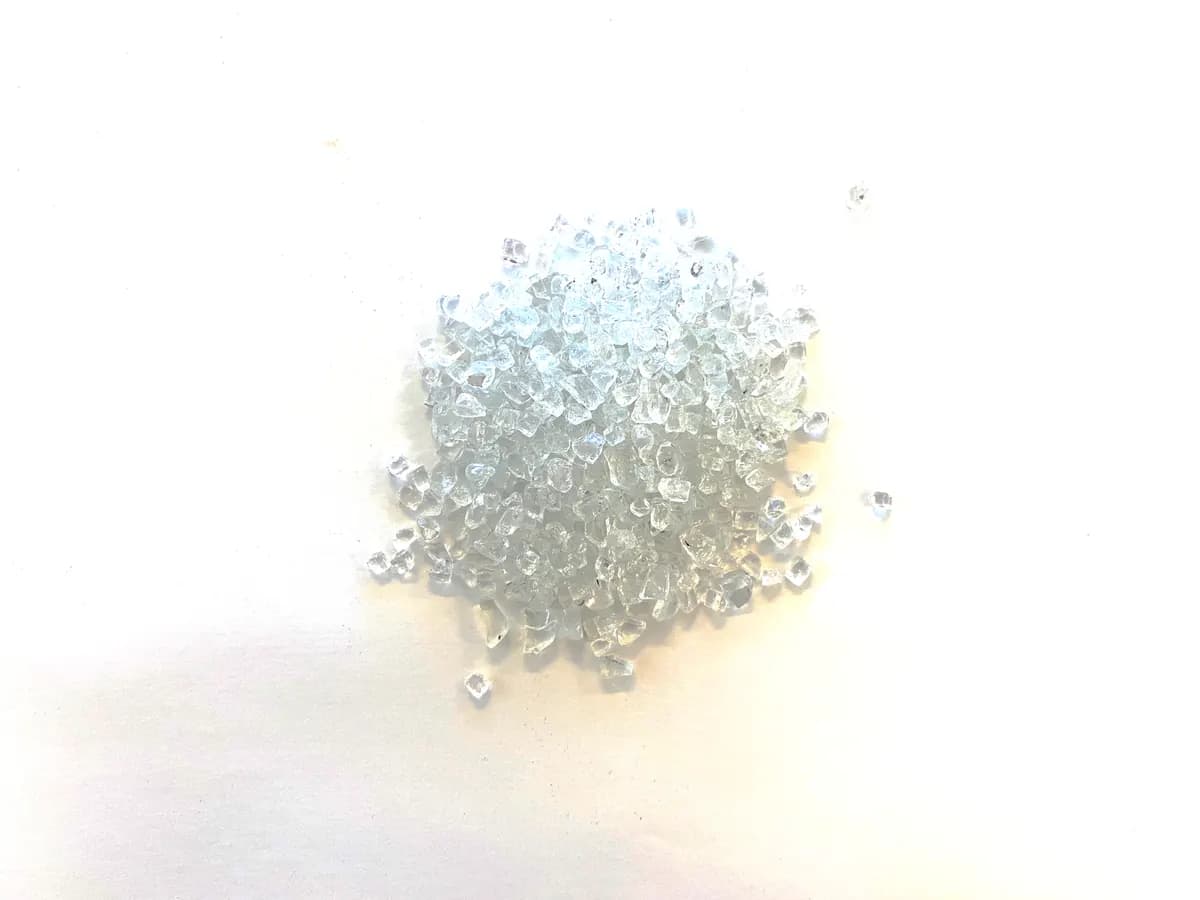
- Glassground, goes to the glass industry and to glass beads for road markings
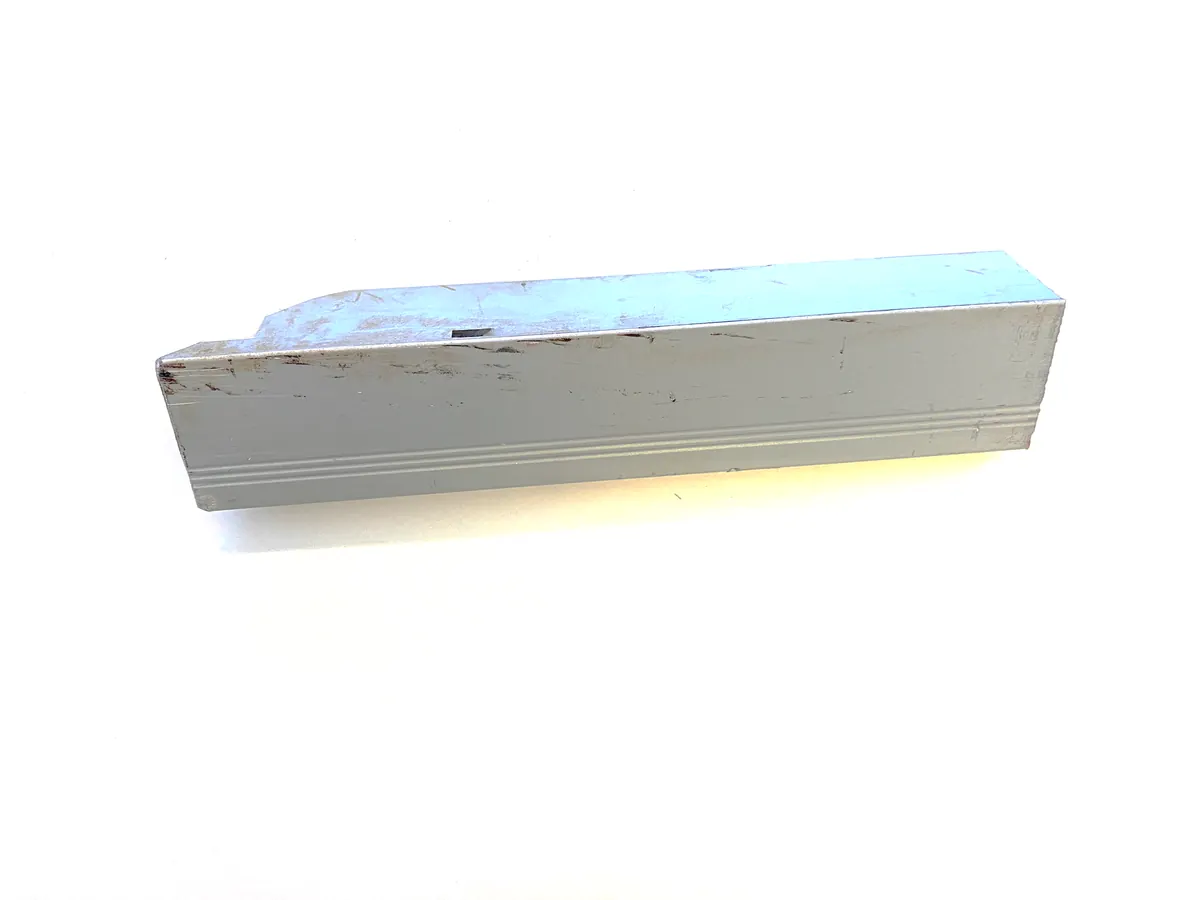
- Aluminumframe profiles, sent to smelters
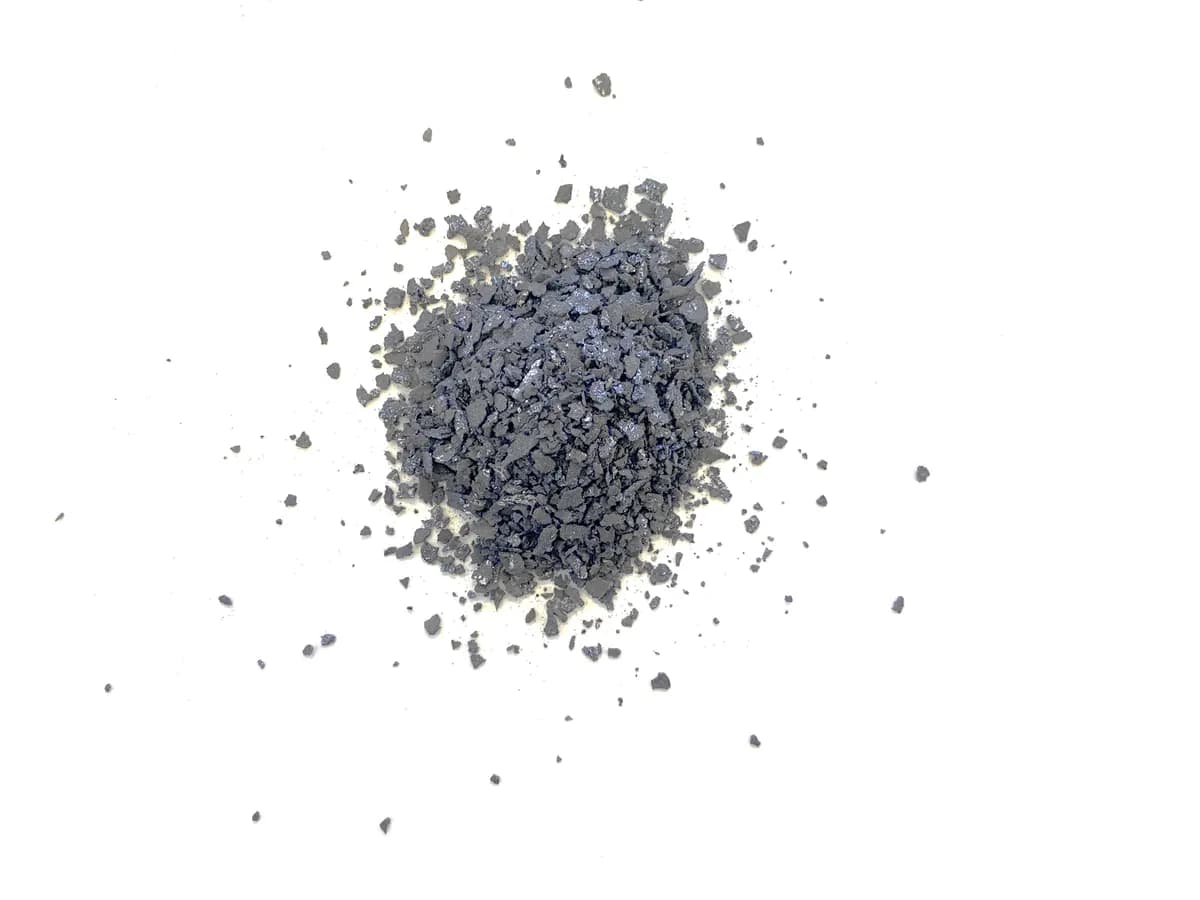
- PMMa mix of plastic, silicon and metals such as silver
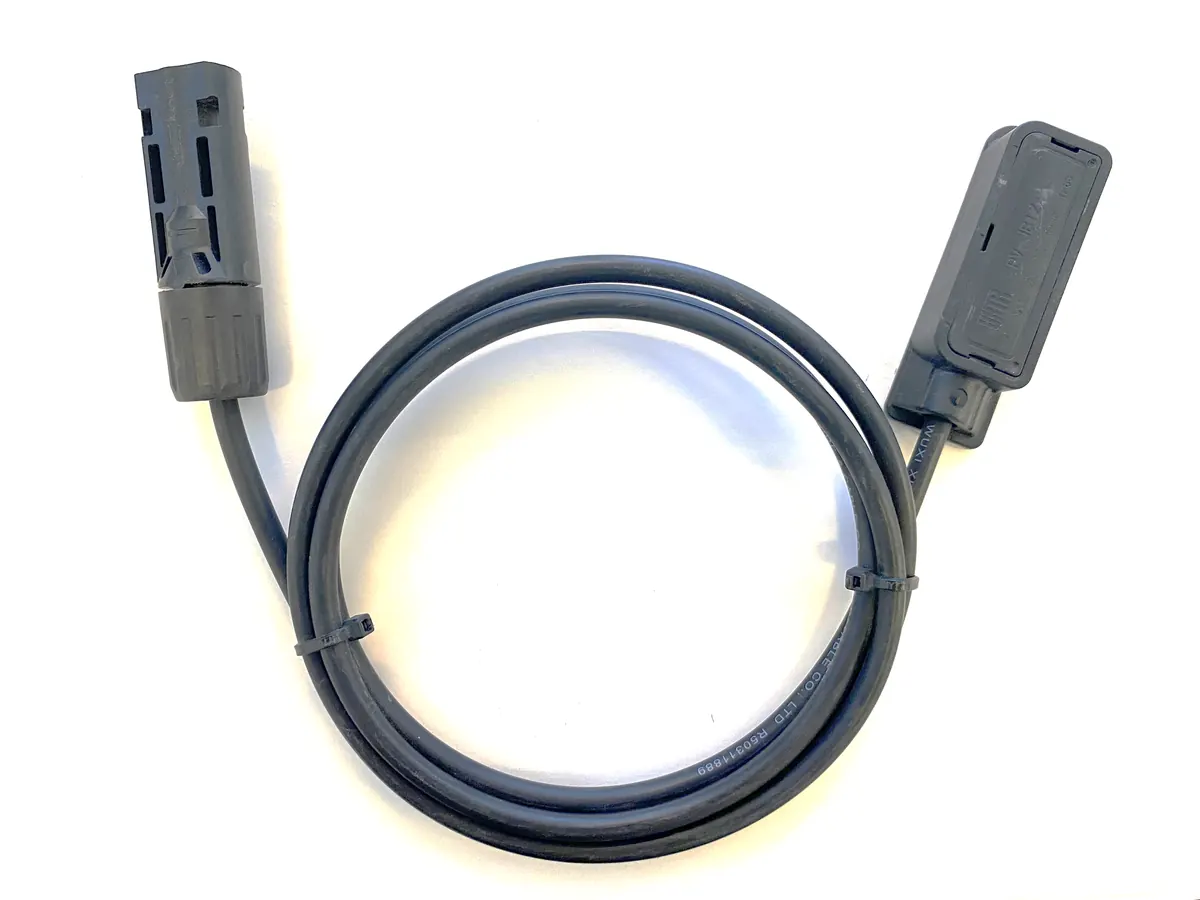
- Cables and connectorssent for copper recovery
SunR in numbers
The numbers below are volumes contracted since 2020, from a single rooftop to entire plants. The modules are processed at the Montes Claros, Minas Gerais unit (in Portuguese), and SunR is a partner of PV CYCLE, the European photovoltaic recycling association, with which it issues the recycling certificate.
Frequently asked questions
Can I throw a solar panel in the regular trash?
No. A solar panel is electronic waste and must go to a licensed receiving facility, with an MTR and a CDF.
Can a broken solar panel be sold as scrap?
There may be a buyer, but the generator is left with no proof of destination, and responsibility for the waste stays with them.
Who is responsible for disposing of a solar plant's modules?
The waste generator, under the PNRS (Law 12.305/2010). In practice, whoever removes the modules from the field needs to prove where they went.
Which document proves correct disposal?
The CDF, issued by the receiving facility, together with the MTR for transport and the batch destination report.
Does SunR collect small quantities?
Yes, with no minimum volume. For a few modules, there are drop-off points in Porto Alegre, Araranguá, Florianópolis, Cascavel, São Carlos, São Paulo and Brasília.
Are solar panels recyclable?
Yes. Glass, aluminum, copper, silicon, silver and tin can be separated and sent back to industry. SunR recovers more than 80% of the module through a mechanical process.