Solar panel recycling in Brazil: how it works and what goes back to industry
What a module is made of, how it is taken apart and separated, and what each material becomes once it leaves the recycler.
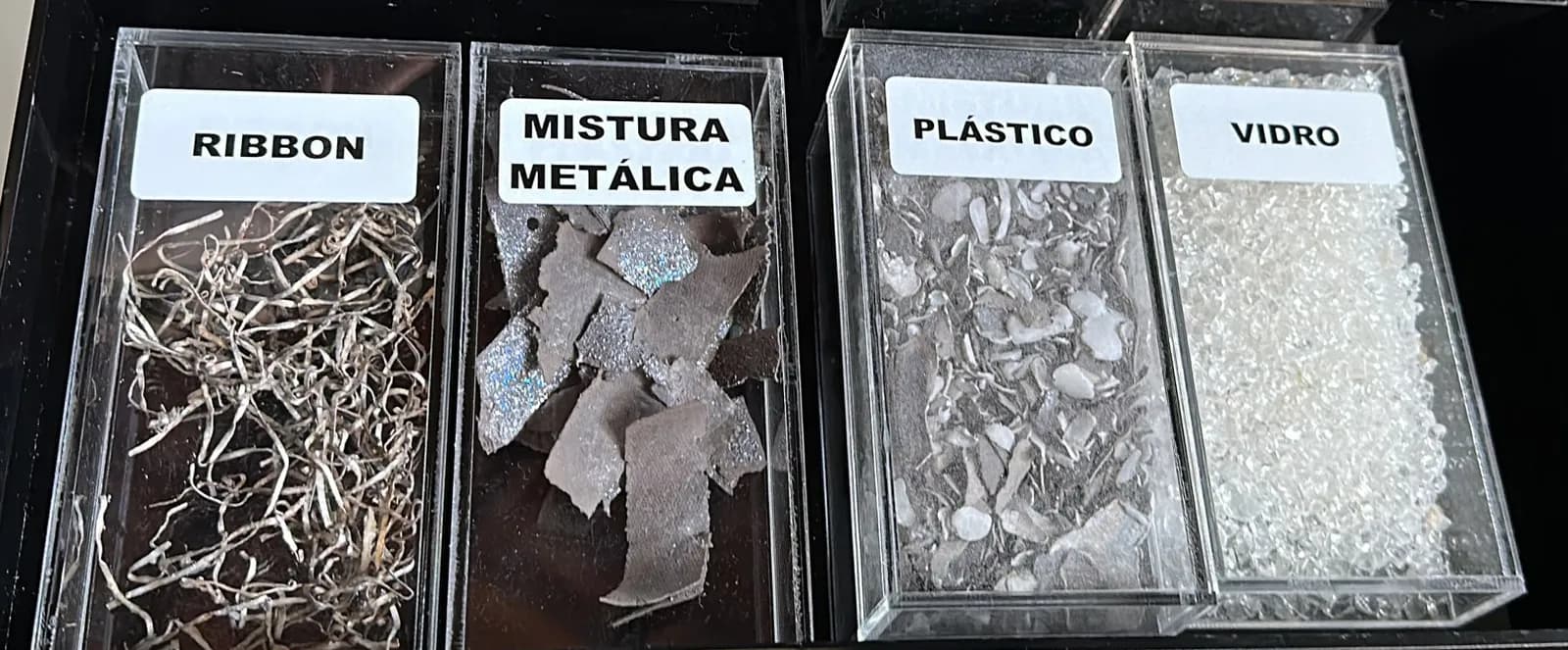
Yes, solar panel recycling already exists in Brazil. A photovoltaic panel is made almost entirely of glass, aluminum, polymers, silicon and metals such as copper and silver, and most of that material can be separated and sent back to industry.
The hard part is how the module is built: it is laminated and glued, not bolted together. At the end of this page, an index points to the more specific guides on disposal and recycling.
What a solar panel is made of
A crystalline silicon panel, the technology behind almost every installation in Brazil, is a stack of layers glued and pressed together. According to IRENA (the International Renewable Energy Agency), about three quarters of its weight is glass. On SunR's scales, a typical utility-scale module weighs close to 30 kg, and about 3 kg of that is the aluminum frame. The rest breaks down like this:
- Glass: the front of the panel and most of its weight.
- Aluminum: the frame that keeps the assembly rigid.
- Polymers: the encapsulant (EVA) and the backsheet, which seal the cells.
- Silicon: the cells that convert light into electricity.
- Copper and tin: the ribbons and wires that carry the current.
- Silver: in small amounts, in the cell contacts. Yes, solar panels contain silver (in Portuguese).
- Junction box and cables: plastic and copper, on the back.
Why recycling is already needed today
A solar panel lasts 25 to 30 years, and the big wave of end-of-life modules (in Portuguese) in Brazil is expected between 2045 and 2055. Even so, broken modules already exist, for four reasons:
- Weather damage: hail and windstorms (in Portuguese) break thousands of modules at once across entire plants.
- Repowering: modules installed between 2017 and 2020 have fallen behind in efficiency, and plants replace them before the end of their service life.
- Manufacturing and transport defects: microcracks, hot spots and cracked glass take modules out of service early.
- ESG requirements: lenders and investors ask for proof of where the waste ended up.
Reuse first, then recycle
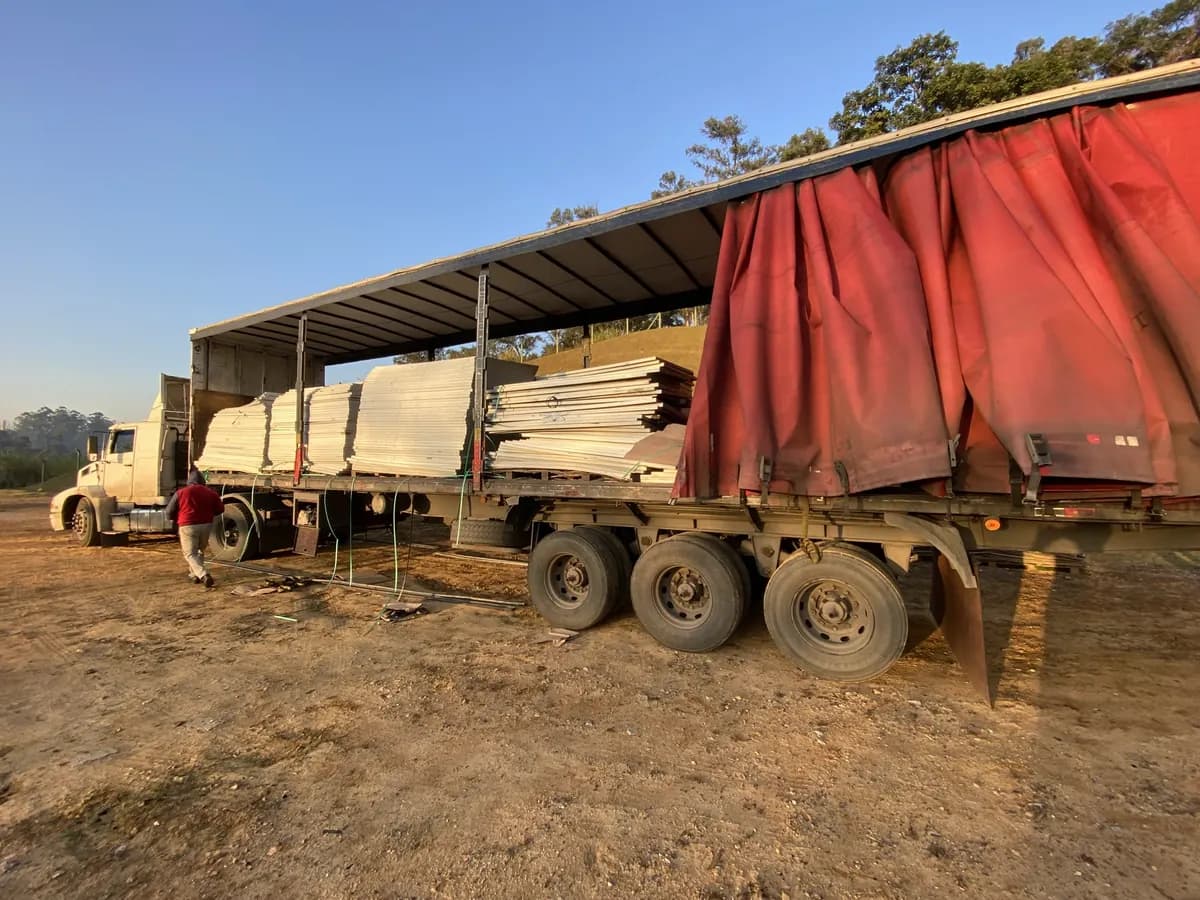
Not every module taken out of the field needs to be recycled. Modules with no physical damage and good electrical performance can have a second life, as long as they are tested, come with a test report and the buyer signs an acknowledgment of their condition. Broken, defective or unusable modules go to recycling.
This split happens at sorting. A second life depends on the batch and on the test results, so no one should promise it before seeing the modules. What sorting prevents is a damaged module going back on the market as if it were in good condition.
How solar panel recycling works, step by step
Tracked collection
The modules leave the site with the MTR, the waste transport manifest issued in Brazil's official system. Well palletized, they take up fewer trucks and lower the cost per tonne.
Sorting
Each module is assessed by technology, weight and condition. This is where it is decided what can be reused and what goes on to recycling.
Dismantling
The aluminum frame, the junction box and the cables come off. They are valuable materials and easy to reuse.
Glass separation
The glass is separated from the laminate, the layer that holds the cells, the polymers and the metals.
Material separation
What is left of the laminate, plastic, silicon, silver and other metals, comes out as a single fraction: PMM (plastic metal mix).
Final destination and paperwork
Each material goes to the industry that reuses it, and the client receives the certificate of final disposal (CDF) and the batch report.
Mechanical, thermal and chemical recycling
There are three ways to separate the materials in a panel. Mechanical recycling uses cutting, shredding and physical separation, with no burning and no chemicals. Thermal recycling burns off the polymers to free the cells. Chemical recycling uses solvents and acids to dissolve the layers and recover metals at higher purity.
SunR uses a 100% mechanical process, with its own technology and a patent filed with INPI (Brazil's patent office), that recovers more than 80% of the module without producing chemical effluents. The result is four fractions:
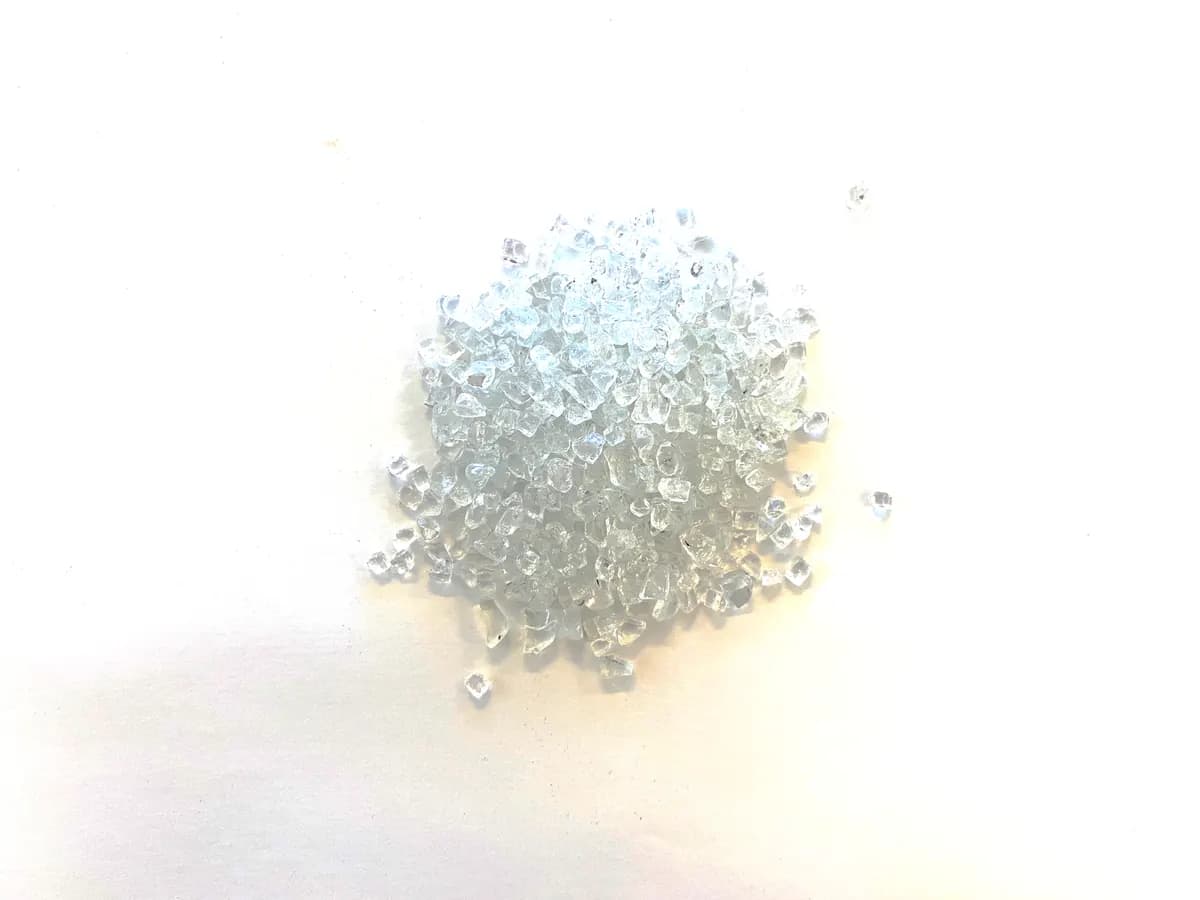
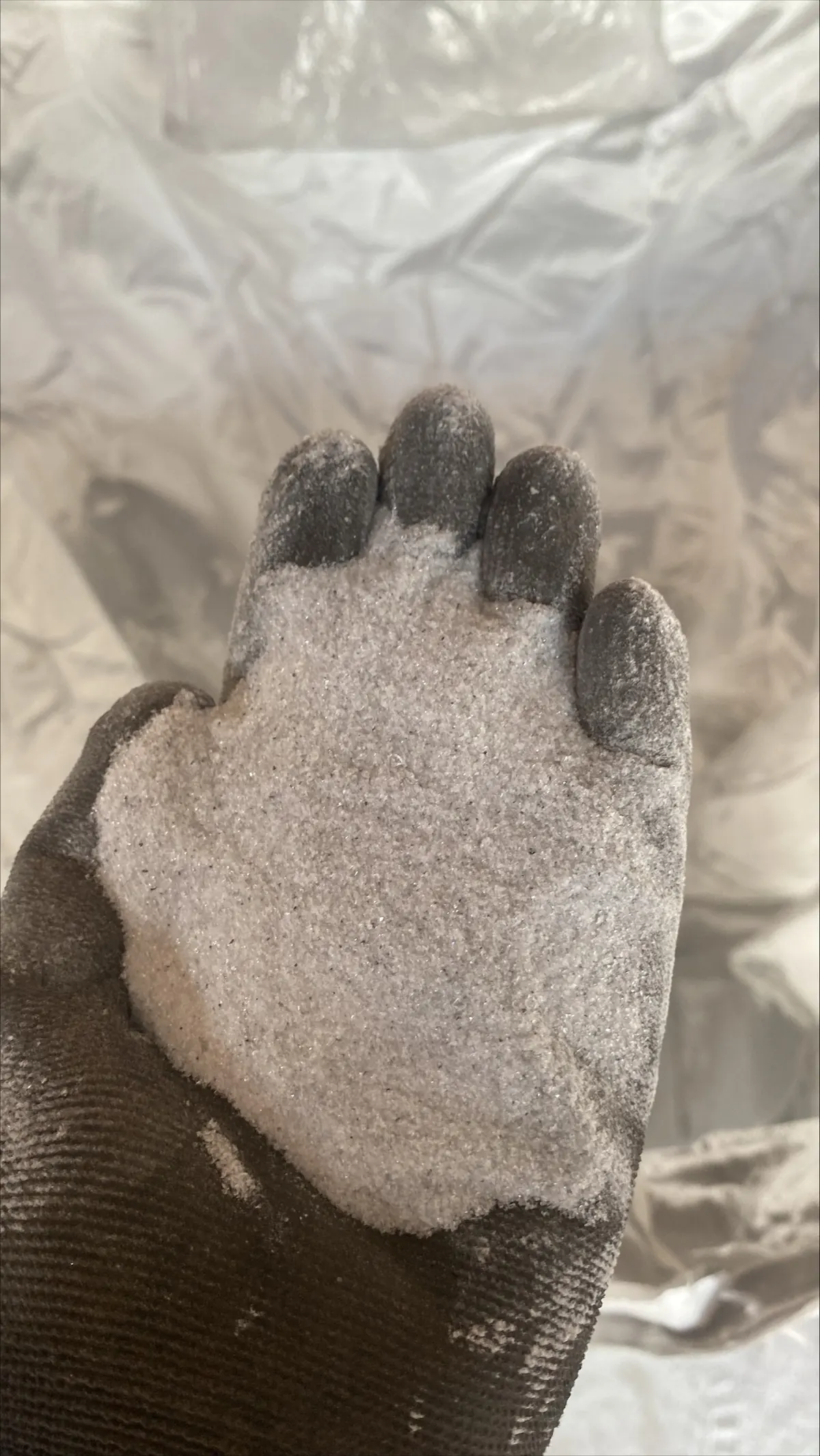
- Glassground, goes to the glass industry and to glass beads for road markings
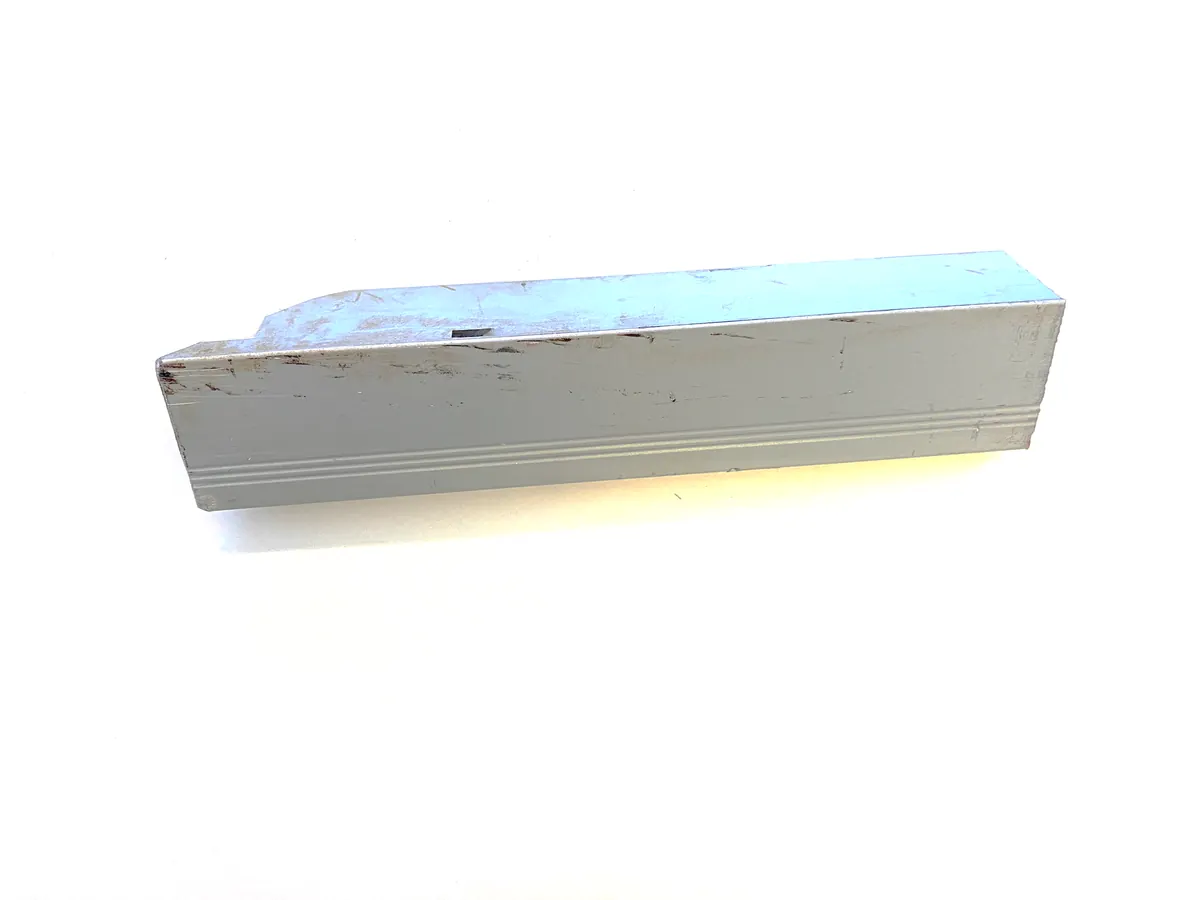
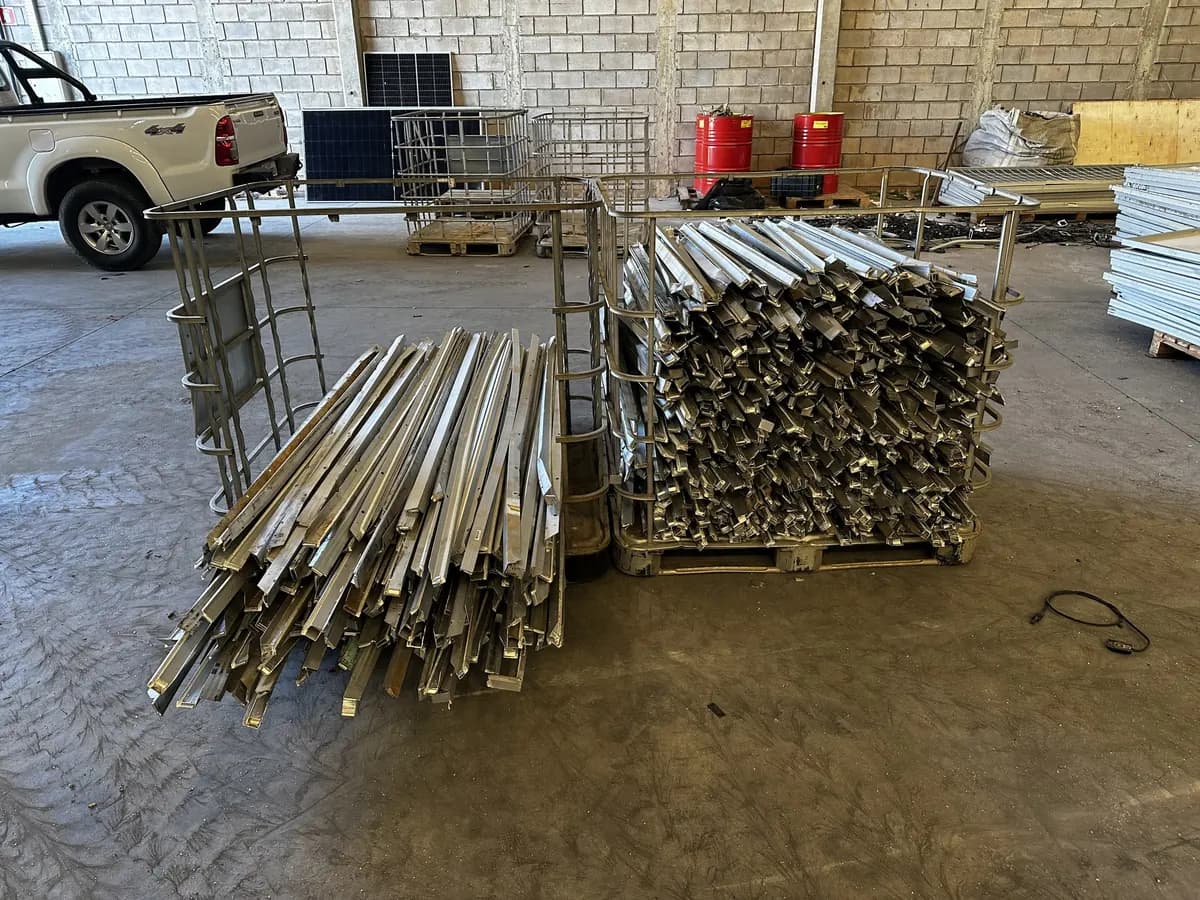
- Aluminumframe profiles, sent to smelters
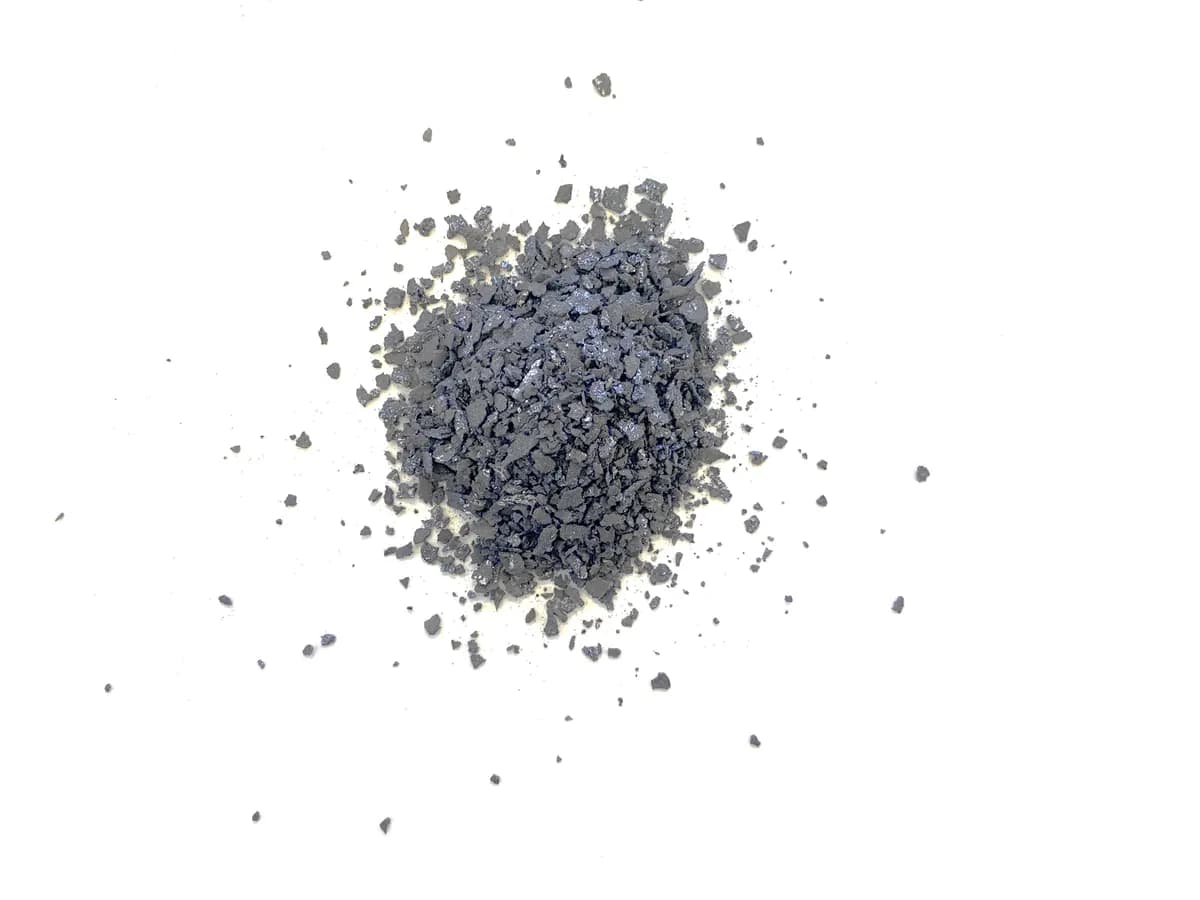
- PMMa mix of plastic, silicon and metals such as silver
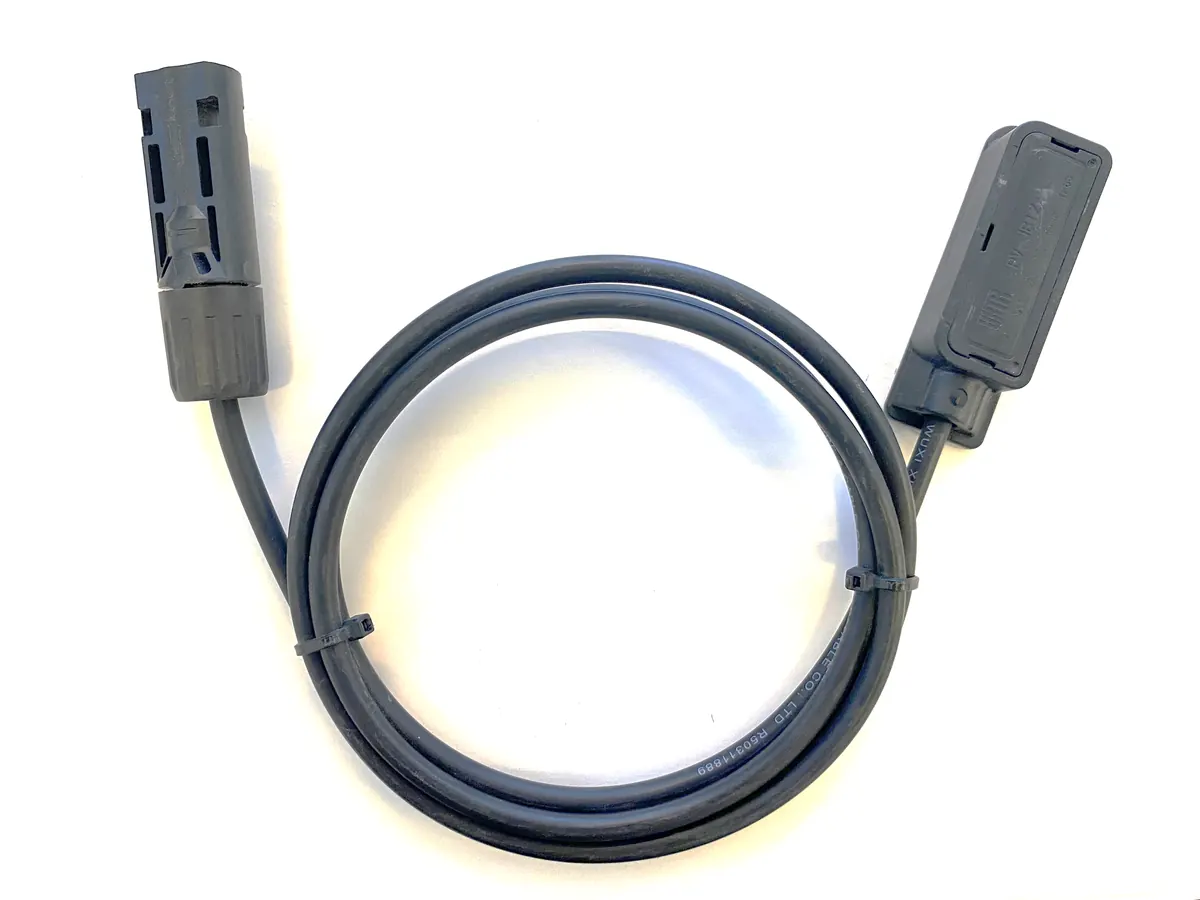
- Cables and connectorssent for copper recovery
What each material becomes
- Glass: goes to the glass industry and to the production of glass microbeads, the tiny glass spheres mixed into road-marking paint that make highway lines reflect headlights.
- Aluminum: goes back to the smelter. Recycling aluminum uses about 95% less energy than producing new aluminum, according to the International Aluminium Institute.
- PMM: the most strategic by-product, because it concentrates the silicon and the silver. It goes to metal recovery companies, including abroad.
- Cables: go to copper recovery.
In April 2025, SunR reached the point of selling 100% of the by-products it separates: glass, aluminum, PMM, cables and junction boxes.
The documents that prove the recycling
Whoever generates the waste is responsible for where it ends up, under the PNRS, Brazil's National Solid Waste Policy (Law 12.305/2010) (in Portuguese). That is why recycling has to end in paperwork: the MTR for transport, the CDF at the end of the process and a destination report (in Portuguese) with the quantity, weight, dates and destination of the materials. Without these documents, there is no way to prove the destination in an inspection or an ESG audit.
The step-by-step disposal process, with what the law says and the most common mistakes, is in the guide to solar panel disposal in Brazil. The rules, one by one, are in the guide to solar panel recycling regulation in Brazil.
How to choose a solar panel recycling company
The truck leaving the yard does not end the waste generator's responsibility. Before hiring a solar panel recycling company, check six points:
- A valid environmental license to receive and treat photovoltaic modules, in the name of whoever will process the material.
- An MTR issued in the official system at collection, with the weight and quantity of the batch.
- A CDF at the end of the process, plus a report stating where each material went.
- Where the glass and the PMM go, not just the aluminum. Buyers who take modules as scrap keep the frame and dump the rest, which is most of the weight.
- Proof of the process: what is dismantled, what is separated, the recovery rate and, ideally, a video of the process.
- Freight agreed in writing: you can hire the transport or leave it to the recycler, and what changes is who bears the cost and the risk along the way.
Free collection without paperwork usually ends in scrap or landfill, and the bill comes back to the generator. At SunR, every batch closes with an MTR, a CDF, a destination report and a video of the process, through the reverse logistics service for photovoltaic modules. There is no minimum volume: for a few modules, there are drop-off points in seven cities, listed in the disposal guide.
The solar panel recycling market
Brazil passed 60 GW of installed solar capacity in 2025, according to ABSOLAR. All of that capacity will, at some point, become waste. Globally, Rystad Energy estimated in 2022 that the photovoltaic panel recycling market will reach US$2.7 billion by 2030.
SunR and solar panel recycling
SunR is the first photovoltaic panel recycler in Latin America. It started with a college question in 2019: what will happen to the panels 25 or 30 years from now? In Brazil, no one was recycling them. PV CYCLE, the European photovoltaic recycling association, validated the idea and warned that the problem would arrive sooner, because panels break long before the end of their service life.
In 2020, the first module was taken apart by hand. The first large job, in September of that year, was 9 tonnes unloaded by hand. Today the process is mechanical, the processing unit is in Montes Claros, Minas Gerais (in Portuguese), and PV CYCLE, a partner since 2019, issues the recycling certificate together with SunR. The largest public case, ENGIE in Paracatu (Minas Gerais), is on the cases page (in Portuguese).
Guides to solar panel disposal and recycling
This is the main guide on the topic. Each more specific question has its own guide:
- Solar panel disposal in Brazil: how and where to do it. A step-by-step guide to removing modules from the field, what the law says and the most common mistakes.
- Broken solar panel: repair, insurance or disposal (in Portuguese). When repair is worth it, when to file an insurance claim and what to do with cracked glass.
- Hail at the plant: what to do with the modules (in Portuguese). From the insurance inspection to recycling the lost modules.
- What a solar panel is made of (in Portuguese). Glass, aluminum, silicon, copper and silver, layer by layer.
- Solar panel lifespan (in Portuguese). How long a module lasts, why many come out early and what happens at the end.
Frequently asked questions
Are solar panels recycled in Brazil?
Yes. SunR has been recycling photovoltaic panels in Brazil since 2020, with a 100% mechanical process, and issues a certificate of final disposal (CDF).
How much of a solar panel can be recycled?
Most of it. Glass, aluminum, cables and PMM, which concentrates the silicon and silver, go back to industry. SunR recovers more than 80% of the module through a mechanical process.
Do solar panels contain silver?
Yes, in small amounts, in the contacts of the silicon cells. It comes out in the PMM, the fraction that goes to metal recovery.
How long does a solar panel last?
Typically 25 to 30 years. But many modules come out of service earlier, because of hail, windstorms, defects or repowering of the plant.
Can a broken solar panel be recycled?
Yes. Broken modules make up most of what arrives for recycling today. What matters is storing them glass side down and protecting the connectors until collection.
Does SunR recycle small quantities?
Yes, with no minimum volume. For a few modules, there are drop-off points in Porto Alegre, Araranguá, Florianópolis, Cascavel, São Carlos, São Paulo and Brasília.